
Supporting Initiatives
STEM & Cross-Sector Educational Ecosystems
This research strand examines how multi-sector learning networks, research hubs, and cross-district ecosystems shape educational opportunities and workforce pathways in STEM fields. Projects in this area examine cross-sector partnerships, the role of knowledge brokers, and the ways organizations, educators, and researchers build interconnected ecosystems that support STEM learning. This work investigates how relationships expand access to learning resources, strengthen professional networks, and connect students with real-world STEM experiences and research opportunities.
This project explores how organizations collaborate to strengthen STEM education and career pathways. It maps connections among schools, museums, businesses, and government agencies, uncovering key collaborations that shape the region’s STEM ecosystem. The initiative provides insights into how partnerships enhance learning experiences and foster strategic collaboration in STEM fields.
- Liou, Y.-H., & Daly, A. J. (2021). Obstacles and opportunities for networked practice: A social network analysis of an inter-organizational STEM ecosystem. Journal of Educational Administration, 59(1), 94–115.
Funded by the Bill & Melinda Gates Foundation, this project builds a multi-district, cross-sector math education ecosystem, connecting school districts and university partners. It strengthens collaboration across schools, fostering shared expertise and professional learning. A key focus is on knowledge brokers—individuals who facilitate connections and drive collaboration to shape learning networks.
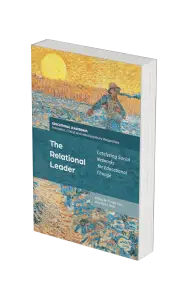
- Rodway, J., Liou, Y.-H., Daly, A. J., Pollock, M., & Yonezawa, S. (2023). Knowledge Brokers as Informal Leaders in a Multi-District Learning Network. In Y.-H. Liou & A. J. Daly (Eds), The relational leader: Catalyzing networks for educational change (pp. 209–228). Bloomsbury.
- Rodway, J., MacGregor, S., Daly, A. J., Liou, Y.-H., Yonezawa, S., & Pollock, M. (2021). A network case of knowledge brokering. Journal of Professional Capital and Community, 6(2), 148–163.
This Project, funded by the National Science Foundation, brings together scientists, educators, and researchers to create engaging, real-world science experiences for middle school students. This initiative connects schools with citizen science projects, making authentic scientific research accessible in classroom settings. Interdisciplinary collaboration is at the core of this effort, which strengthens STEM education and professional learning while equipping teachers with tools to integrate hands-on scientific inquiry into their curriculum.
- Bryant, L. H., Freeman, S. B., Daly, A. J., Liou, Y.-H., & Branon, S. (2017). Making sense: Unleashing professional capital in interdisciplinary teams. Journal of Professional Capital and Community, 2(3), 118-133. [Article publication date: 10 July 2017; Issue publication date: 10 July 2017]
This Project explores how collaborative networks drive innovation and knowledge-sharing in big data research. This initiative focuses on the Northeast Big Data Innovation Hub, connecting universities, industry, government, and non-profits to strengthen cross-sector partnerships. Through network analysis, the project uncovers how relationships shape data-driven collaboration and drive research impact.
- René Bastón, Catherine Cramer, Alan J. Daly, Florence D Hudson, Yi-Hwa Liou, Kathryn Naum, Wren Thompson, Laycca Umer, and Stephen Miles Uzzo (2023). An Investigation of the Northeast Big Data Innovation Hub Through Social Network Analysis. In Y.-H. Liou & A. J. Daly (Eds), The relational leader: Catalyzing networks for educational change (pp. 230–252). Bloomsbury.